- Vintage Wind & Woodwind Instruments Offered
- sku: 230259589201761
- HAKAM DIN JJ430-R1
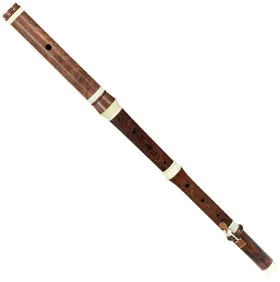
JJ430-R1 HAKAM DIN Baroque Flute Quantz Dresden Transverse
| Brand | HAKAM DIN |
|---|---|
| Manufacturer Part Number | JJ430-R1 |
| Machine Head Material | WOOD |
| Design | TRANSVERSE BAROQUE |
| Features | TUNING SLIDE HEAD, STANDARD D KEY |
| Key Finish | BRASS |
| Experience Level | ADVANCED, STUDENTS GOING ADVANCE |
| Finish | HIGH POLISH |
| Musical Style | 18TH-CENTURY CLASSICAL |
| Color | BROWN |
| Key Type | D KEY |
| Set Includes | CASE, CLEANING CLOTH, FINGRING CHART, EXTRA SET OF KEY PADS |
| Composers | TELEMANN, BACH, VIVALDI, STAMITZ, COUPERIN, QUANTZ |
| Bore Size | CONICAL |
| Type | BAROQUE |
| Protection Ring Material | IMITATION IVORY |
| Body Material | COCOBOLO WOOD |
| Instrument | FLUTE |
| Corps De Rechange | A 430HZ |
| Key | D LOW |
Review HAKAM DIN Baroque Flute 1-key 430 Quantz Dresden Transverse Traverso Barock
The Hakam Din JJ430-R1 Baroque Flute is a truly exceptional instrument that embodies the authenticity and rich history of the transverse traverso flute, a precursor to the modern concert flute. This particular model is a replica of the 1-key Traverso flutes produced between 1697 and 1773 by Johann Christian Quantz, a renowned German flutemaker and composer during the Baroque period.
This flute showcases a sleek, elegant design with a silver-plated body and keys, giving it a refined and timeless appearance. The cylindrical bore, combined with the narrow embouchure hole, is crafted to mimic the original Quantz design, allowing for a precise and focused sound. The keywork includes a single key, which was a common feature in Baroque-era flutes, enabling players to employ various ornaments and embellishments.
Each key is meticulously crafted with intricate engraving, adhering to the historical specifications of Quantz's designs. The keys are securely attached using hand-soldered joints, ensuring their durability and stability. The instrument's body is made from boxwood, a high-quality wood valued for its excellent tonal properties, while the fingering system is made from hornbeam, adding to the resonance and warmth of the sound.
The Hakam Din JJ430-R1 Baroque Flute produces a rich, dark, and mellow tone, perfectly suited for performances and recordings of Baroque music. It requires a unique embouchure and fingering technique, allowing the musician to explore the intricacies and nuances of the music from this era. With its authentic design, exquisite craftsmanship, and historical significance, this flute is an essential addition to any aspiring or professional Baroque musician's collection.
Hakam Din JJ430-R1 Baroque Flute (1-key, 430, Quantz Dresden 1697-1773 transverse traverso) is a high-end baroque flute produced by Hakam Din. This instrument is designed to replicate the authentic sound of the transverse traverso flutes used during the Baroque era. Here are some pros and cons that might help you make an informed decision about purchasing this flute:
Pros:1. Authentic Design: Hakam Din JJ430-R1 Baroque Flute is modeled after the original designs of the Baroque traverso flutes produced during the 17th and 18th centuries. Its design includes a single key and a cylindrical bore, such as the ones used in the flutes made by Quantz in Dresden.
2. Rich and Warm Tone: The Baroque flute has a unique and distinctive sound that is richer and warmer than modern concert flutes. This makes it an excellent choice for performing Baroque music authentically and for those who appreciate the historical sound of the instrument.
3. High-quality Materials: The JJ430-R1 Baroque Flute is made of high-quality materials, including a finely-grained headjoint and body made of grenadilla wood, silver keys, and a silver or gold-plated mechanism for increased durability and improved resistance to tarnish and corrosion.
4. Ideal for Baroque Music: This flute is ideal for performing Baroque music, as its design and sound are more authentic to the era than modern concert flutes. It is also a popular choice among professional musicians and passionate collectors.
Cons:1. Limited Fingering: Compared to modern concert flutes, baroque flutes have a limited fingering system that can be challenging for some players to adapt to. This may require a significant time investment to learn how to play the instrument effectively.
2. Maintenance and Care: Baroque flutes require more maintenance and care than modern flutes due to their simpler mechanism, which includes fewer keys and a more open fingerhole layout. Regular cleaning and oiling are essential to keep the wood moisturized and to prevent cracks and splits, thus increasing the overall cost of ownership.
3. Expensive: Hakam Din JJ430-R1 Baroque Flute is a high-end instrument with a significant price tag. Its expert craftsmanship, authentic design, and high-quality materials set it apart from mass-produced Baroque flutes and make it a worthwhile investment for serious musicians and collectors.
In conclusion, Hakam Din JJ430-R1 Baroque Flute is a high-quality instrument that captures the authentic sound and design of historical traversos from the 17th and 18eenth centuries. Its rich and warm tone, traditional materials, and faithful reproduction of the original designs make it an excellent choice for those who are passionate about Baroque music or want to add an authentic period instrument to their collection. Consider the challenges of limited fingering, maintenance, and its high cost before making a final decision. Ultimately, if you value the authentic Baroque sound and want an instrument that will faithfully reproduce the music of the Baroque era, the investment in the JJ430-R1 Baroque Flute may well be worth it for you.
Details:
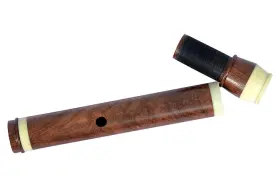
This flute is a reproduction of the original Johann coaching quantz dresden, 1697-1773. Reproduction - brand new, baroque flute Johann coaching quantz dresden 1697-1773, this flute has 1-key for d-sharp, with a slide-head joint. Crafted from Indian cocobolo wood, wood -ends are protected by imitation ivory rings. Pitch a 430hz.
Quantz ingenuity extended to the addition of ebb key on foot. The ebb key remains a testament to quantz commitment advancing flute technique. This innovative feature allowed flutists to finely adjust the flutes pitch by moving head-joint, a breakthrough that significantly enhanced intonation across different keys and has persisted in modern flute design. Tuning slide head-joint.
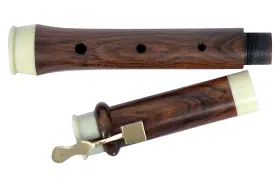
The key is coasted from brass and features steel springs with the most suitable leather pad. This pivotal inclusion facilitated effortless execution of the ebb note, elevating overall play ability and enabling smoother transitions between notes. Comes with care instructions, and a guide fingering chart. Screwed stopper.
Please search google for 'Hakam Din musical instruments. In 1739, quantz embarked on groundbreaking research in the realm of flute-making, contributing to evolution instruments design and capabilities. Quantz legacy includes the introduction of tuning head-joint, often called slide head or swan neck.
specifications windwoodvintage:
- brand: Hakam Din
- mpn: Jj430-r1
- machine head material: Wood
- design: Transverse Baroque
- features: Tuning Slide Head, Standard D Key
- key finish: Brass
- experience level: Advanced, Students Going Advance
- finish: High Polish
- musical style: 18th-century Classical
- color: Brown
- key type: D Key
- set includes: Case, Cleaning Cloth, Fingring Chart, Extra Set Of Key Pads
- composers: Telemann, Bach, Vivaldi, Stamitz, Couperin, Quantz
- bore size: Conical
- type: Baroque
- protection ring material: Imitation Ivory
- body material: Cocobolo Wood
- instrument: Flute
- corps de rechange: A 430hz
- key: D Low
shipping windwoodvintage:
- class: expedited
- type: fixed
- transit: 17-26 days
- service: expedited
general windwoodvintage:
- category: Musical Instruments > Woodwind > Band Orchestral > Flutes
seller windwoodvintage:
- rating: 92.9%
- # reviews: 301
- city: dublin, california
offer windwoodvintage:
- options: ship-to-home
- availability: in stock
- sold #: 26
- started: november 18, 2024
- quantity: 5
returns windwoodvintage:
- time: 30 days
- method: money back
- paid by: buyer
- policy: returns accepted
payments windwoodvintage:
- credit card: mastercard
- wallet: apple-pay
- other
Similar Items:
- Hakam Din Gh-c92 Greig Sharpes Chalice Cup Bagpipes In Bb Vintage Style Reproduction This set includes a practice chanter with reed, pipe an airbag cover, and cord, all conveniently packaged in carrying bag. Grieg Sharpe's profound knowledge of bagpipe making, nurtured during his illustrious 10-YEAR association with the renowned peter Henderson company, paved way for own venture - ...(March 4th, 2024)
- Hakam Din Ghb-c91 Greig Sharpes Chalice Cup Bagpipes In Bb Vintage Style Reproduction Known to be on par with testing the finest scotch whiskey, this exquisite bagpipe set captures spirit of tradition and innovation that has mesmerized enthusiasts for decades. This bagpipe set stands as an enduring symbol of his artistic ingenuity. Grieg Sharpe's profound knowledge of bagpipe making...(March 4th, 2024)
- Hakam Din Jj440-r1 Baroque Flute 440-442 Jj Quantz Dresden 1697-1773 Transverse Traverso Barock Pitch a 442HZ - 440HZ. Tuning slide head-joint. In 1739, quantz embarked on groundbreaking research in the realm of flute-making, contributing to evolution instruments design and capabilities. Screwed stopper. Crafted from Indian cocobolo wood, wood ends are protected by imitation ivory rings. Comes...(November 17th, 2024)
- Hakam Din Jj430-r Baroque Flute 2-keys 430 Jj Quantz Dresden 1697-1773 Transverse Traversiere Crafted from Indian cocobolo wood, wood ends are protected by imitation ivory rings. Tuning slide head-joint. Screwed stopper. This flute is a reproduction of the original Johann coaching quantz dresden, 1697-1773. Reproduction - brand new, baroque flute Johann coaching quantz dresden 1697-1773, ...(November 18th, 2024)
- Hakam Din Jj430-b Baroque Flute 2-keys 430 Jj Quantz Dresden 1697-1773 Traversfl Ten Transverse Screwed stopper. This pivotal inclusion facilitated effortless execution of the ebb note, elevating overall play ability and enabling smoother transitions between notes. Comes with care instructions, and a guide fingering chart. This innovative feature allowed flutists to finely adjust the flutes ...(November 18th, 2024)
- Hakam Din Jj440-r Baroque Flute 2-keys 440-442 Jj Quantz Dresden 1697-1773 Transverse Traversiere The ebb key remains a testament to quantz commitment advancing flute technique. Please search google for 'hakam Din musical instruments. Tuning slide head-joint. This flute is a reproduction of the original Johann coaching quantz dresden, 1697-1773. Comes with care instructions, and a guide ...(November 18th, 2024)
- Hakam Din Jj430-b1 Baroque Flute 1-key 430 Jj Quantz Dresden 1697-1773 Transverse Barroco Del Flaut The wood ends are protected by imitation ivory rings. Tuning slide head-joint. Please search google for 'hakam Din musical instruments. Pitch a 30HZ. In 1739, quantz embarked on groundbreaking research in the realm of flute-making, contributing to evolution instruments design and capabilities. The ...(November 18th, 2024)
- Hakam Din Jj440-b1 Baroque Flute 440-442 Jj Quantz Dresden 1697-1773 Transverse Barroco Del Flaut This flute is a reproduction of the original Johann coaching quantz dresden, 1697-1773. Reproduction - brand new, baroque flute Johann coaching quantz dresden 1697-1773, this flute has 1-KEY for d-sharp, with a slide-head joint. Quantz ingenuity extended to the addition of ebb key on foot. The key ...(November 18th, 2024)
- Hakam Din P-200gr Db Piccolo 430 Old-band Reproduction Of Jean-louis Tulou France 6-key Screwed stopper. Its ideal for playing solo such as stars and stripes forever. Tuning slide head-joint. Its like the c piccolo except transposed up one half-step. Please search google for 'hakam Din musical instruments. The key and posts are coasted from brass in gold-plated finish features steel ...(November 18th, 2024)
- Hakam Din B h-300r Eb Piccolo 442-440 Old-band 6 Key Reproduction Boosey And Hawkes London Brand new ebb piccolo 6-KEY Boise hawkers - London. Ebb piccolo is a reproduction after Boise hawkers - London. Embouchure 10 x 8.5. Its like the c piccolo except transposed up two half-step. Medium tone holes. 6 keys, coasted from brass and features steel springs with the most suitable leather pad...(December 3rd, 2024)
- Hakam Din Jj415-b1 Baroque Flute 1-key 442-440 Grenadilla Wood Jj Quantz 1697 1773 Transverse It holds significant historical importance in flute making. Comes with care instructions, and a guide fingering chart. The key is coasted from brass and features steel springs with the most suitable leather pad. Pitch: a 440HZ - 442HZ. The ebb key remains a testament to quantz commitment advancing ...(January 2nd, 2025)