- Vintage Wind & Woodwind Instruments Offered
- sku: 229002900301761
- HAKAM DIN JJ440-B1
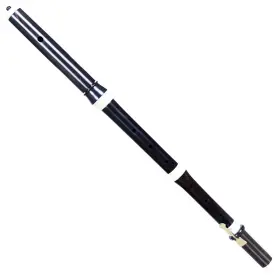
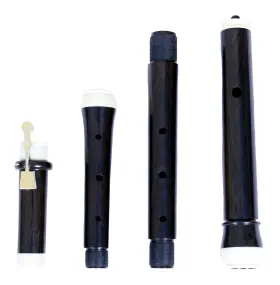
JJ440-B1 HAKAM DIN Baroque Flute Quantz Dresden Transverse
| Brand | HAKAM DIN |
|---|---|
| Manufacturer Part Number | JJ440-B1 |
| Musical Style | 18TH-CENTURY CLASSICAL |
| Color | BLACK |
| Key Type | STANDARD D KEY |
| Set Includes | CASE, CLEANING CLOTH, FINGIRING CHART, EXTRA SET OF KEY PADS |
| Machine Head Material | WOOD |
| Design | TRANSVERSE BAROQUE |
| Composers | TELEMANN, BACH, VIVALDI, STAMITZ, COUPERIN, QUANTZ |
| Bore Size | CONICAL |
| Type | BAROQUE |
| Protection Ring Material | IMITATION IVORY |
| Body Material | GRENADILLA AFRICAN BLACK WOOD |
| Instrument | FLUTE |
| Features | STANDARD D KEY, TUNING SLIDE HEAD |
| Finish Material | HIGH POLISH |
| Key Finish | BRASS |
| Experience Level | ADVANCED, EXPERT, PROFESSIONAL |
| Key | D LOW |
Review HAKAM DIN Baroque Flute Quantz Dresden Transverse Barroco Del Flaut
The Hakam Din JJ440-B1 Baroque Flute is a finely crafted instrument hailing from the esteemed Musical Instrument Workshop in Markneukirchen, Germany. This flute is an exquisite replica of the Transverse Baroque Flutes manufactured during the golden age of Baroque music, around the late 17th and early 18th centuries. Specifically, this instrument pays homage to the legendary flute designs produced in Dresden by the illustrious maker Johann Christian Quantz (1697-1773).
Quantz, a celebrated composer and flute virtuoso, was a key figure in the development and popularity of the baroque transverse flute. His designs, which showcased exceptional craftsmanship and tone production, have been documented in his influential treatises, such as "Versuch einer Anweisung der Fl tespielart" (Attempt at Teaching the Art of Playing the Flute).
The Hakam Din JJ440-B1 Baroque Flute boasts a number of authentic features designed to emulate the original Quantz flutes. One of its most notable characteristics is the silversoldered joints, which contribute to a more refined and stable tuning compared to contemporary instruments with sliding joints. The flute also features handcut mother-of-pearl embellishments, adding a touch of elegance to its classic design.
Additionally, the Hakam Din JJ440-B1 Baroque Flute is pitched at A 440-442 Hz, placing it in the standard modern concert pitch range, while also enabling compatibility with other period instruments. This versatility makes it an excellent choice for both academic and performance settings.
In the hands of an experienced player, this Baroque flute offers an authentically rich and versatile tonal palette. Its cone shape and tapered bore approximate the original designs, allowing for an intricate and expressive dynamic range. By employing techniques like embouchure adjustments, fingerings, and phrasing common to baroque performance practices, the musician can achieve a truly authentic sound reminiscent of the transverse flutes of the Baroque era.
The Hakam Din JJ440-B1 Baroque Flute is a restrained, refined, and beautiful instrument that evokes the magic of a bygone era, offering both the player and audience an unparalleled musical experience. Enthusiasts of Baroque music and historical performance practices, as well as professional musicians and collectors, will appreciate the exquisite craftsmanship and authenticity this Baroque flute delivers.
Pros and Cons of Buying a Hakam Din JJ440-B1 Baroque Flute: A Detailed Analysis
The Hakam Din JJ440-B1 Baroque Flute is a highly regarded instrument inspired by the transverse flutes of the Baroque era, specifically those crafted by Johann Christian Friedrich H hnerlin and Johann Georg Quantz in Dresden between 1697 and 1773. In this analysis, we will discuss the key advantages and disadvantages of investing in this instrument.
Pros:1. Authentic Design: The Hakam Din JJ440-B1 Baroque Flute is meticulously crafted to replicate the design and specifications of historical flutes, making it a valuable addition to any serious Baroque music ensemble.
2. Rich and Mellow Tone: Baroque flutes produce a warm, vibrant, and unique sound due to their distinct design. The Hakam Din JJ440-B1 Baroque Flute delivers a rich and mellow tone that is ideal for Baroque music performances.
3. Improved Playability: Compared to modern flutes, Baroque flutes have a larger embouchure hole and a simpler fingering system. The Hakam Din JJ440-B1 Baroque Flute offers an improved playing experience, making it more accessible to both amateur and professional musicians.
4. Enhanced Flexibility: The Hakam Din JJ440-B1 Baroque Flute's responsive and nimble nature allows for increased expressiveness and greater control over various musical articulations.
5. Durability and Reliability: Crafted using high-quality materials, such as boxwood, silver, and ebony, the Hakam Din JJ440-B1 Baroque Flute is built to last and capable of withstanding the rigors of regular use in performance settings.
Cons:1. Limited Versatility: The Hakam Din JJ440-B1 Baroque Flute is designed specifically for performing Baroque music in period-appropriate ensembles. Its unique design limits its applicability to other genres or playing styles, making it a less versatile choice for musicians whose repertoires span multiple music eras or styles.
2. Higher Cost: The Hakam Din JJ440-B1 Baroque Flute is a premium instrument that comes with a higher price tag due to the labor-intensive production process and the use of high-quality materials. This may make it a less affordable option for budget-conscious musicians.
3. Requires Adaptation: Transitioning from a modern flute to a Baroque flute requires significant adaptation, including developing new hand positions, embouchures, and breath support techniques. The learning curve may be steep for those unfamiliar with Baroque flute performance practices.
4. Limited Availability: Given the specialized nature of Baroque flutes and the list of skilled craftsmen who build them, availability may be limited. This could result in extended waiting periods for those looking to purchase a high-quality Baroque flute like the Hakam Din JJ440-B1.
Conclusion:The Hakam Din JJ440-B1 Baroque Flute is an excellent investment for musicians who are passionate about authentic Baroque music performances. With its rich tone, improved playability, and enhanced flexibility, this instrument offers a unique and rewarding playing experience. However, it's essential to consider the limitations of its versatility, higher cost, requirement for adaptation, and potential availability issues before making a decision.
Recommendation:If you are a committed Baroque music performer, the Hakam Din JJ440-B1 Baroque Flute is a worthy addition to your collection. Its high-quality construction, period-authentic design, and engaging tone make it an invaluable instrument for your performances. However, beginners or those with diverse musical interests may find more value in a modern flute or a versatile entry-level Baroque flute.
Details:
This flute is a reproduction of the original Johann coaching quantz dresden, 1697-1773. Reproduction - brand new, baroque flute Johann coaching quantz dresden 1697-1773, this flute has 1-key for d-sharp, with a slide-head joint. Quantz ingenuity extended to the addition of ebb key on foot. The key is coasted from brass and features steel springs with the most suitable leather pad.
Pitch a 440hz 442hz. Please search google for 'Hakam Din musical instruments. Tuning slide head-joint. Comes with care instructions, and a guide fingering chart.
Crafted from grenadilla black wood, renowned for its density, hardness, and excellent acoustic properties, it provides a distinct tactile sensation, feeling substantial solid in the hands. The ebb key remains a testament to quantz commitment advancing flute technique. This innovative feature allowed flutists to finely adjust the flutes pitch by moving head-joint, a breakthrough that significantly enhanced intonation across different keys and has persisted in modern flute design. This pivotal inclusion facilitated effortless execution of the ebb note, elevating overall play ability and enabling smoother transitions between notes.
The wood -ends are protected by imitation ivory rings. In 1739, quantz embarked on groundbreaking research in the realm of flute-making, contributing to evolution instruments design and capabilities. Quantz legacy includes the introduction of tuning head-joint, often called slide head or swan neck. Screwed stopper.
It holds significant historical importance in flute making.
specifications windwoodvintage:
- brand: Hakam Din
- mpn: Jj440-b1
- musical style: 18th-century Classical
- color: Black
- key type: Standard D Key
- set includes: Case, Cleaning Cloth, Fingiring Chart, Extra Set Of Key Pads
- machine head material: Wood
- design: Transverse Baroque
- composers: Telemann, Bach, Vivaldi, Stamitz, Couperin, Quantz
- bore size: Conical
- type: Baroque
- protection ring material: Imitation Ivory
- body material: Grenadilla African Black Wood
- instrument: Flute
- features: Standard D Key, Tuning Slide Head
- finish material: High Polish
- key finish: Brass
- experience level: Advanced, Expert, Professional
- key: D Low
payments windwoodvintage:
- other
- credit card: Diners-club
- wallet: apple-pay
shipping windwoodvintage:
- transit: 17-26 days
- service: expedited
- class: expedited
- type: fixed
returns windwoodvintage:
- policy: returns accepted
- paid by: buyer
- time: 30 days
- method: money back
general windwoodvintage:
- category: Musical Instruments > Woodwind > Band Orchestral > Flutes
seller windwoodvintage:
- city: dublin, california
- # reviews: 301
- rating: 92.9%
offer windwoodvintage:
- started: november 18, 2024
- availability: in stock
- quantity: 3
- options: ship-to-home
- sold #: 26
Similar Items:
- Hakam Din Gh-c92 Greig Sharpes Chalice Cup Bagpipes In Bb Vintage Style Reproduction This set includes a practice chanter with reed, pipe an airbag cover, and cord, all conveniently packaged in carrying bag. Grieg Sharpe's profound knowledge of bagpipe making, nurtured during his illustrious 10-YEAR association with the renowned peter Henderson company, paved way for own venture - ...(March 4th, 2024)
- Hakam Din Ghb-c91 Greig Sharpes Chalice Cup Bagpipes In Bb Vintage Style Reproduction Known to be on par with testing the finest scotch whiskey, this exquisite bagpipe set captures spirit of tradition and innovation that has mesmerized enthusiasts for decades. This bagpipe set stands as an enduring symbol of his artistic ingenuity. Grieg Sharpe's profound knowledge of bagpipe making...(March 4th, 2024)
- Hakam Din Jj440-r1 Baroque Flute 440-442 Jj Quantz Dresden 1697-1773 Transverse Traverso Barock Pitch a 442HZ - 440HZ. Tuning slide head-joint. In 1739, quantz embarked on groundbreaking research in the realm of flute-making, contributing to evolution instruments design and capabilities. Screwed stopper. Crafted from Indian COBOL wood, wood ends are protected by imitation ivory rings. Comes ...(November 17th, 2024)
- Hakam Din Jj430-r Baroque Flute 2-keys 430 Jj Quantz Dresden 1697-1773 Transverse Traversiere Crafted from Indian COBOL wood, wood ends are protected by imitation ivory rings. Tuning slide head-joint. Screwed stopper. This flute is a reproduction of the original Johann coaching quantz dresden, 1697-1773. Reproduction - brand new, baroque flute Johann coaching quantz dresden 1697-1773, this ...(November 18th, 2024)
- Hakam Din Jj430-b Baroque Flute 2-keys 430 Jj Quantz Dresden 1697-1773 Traversfl Ten Transverse Screwed stopper. This pivotal inclusion facilitated effortless execution of the ebb note, elevating overall play ability and enabling smoother transitions between notes. Comes with care instructions, and a guide fingering chart. This innovative feature allowed flutists to finely adjust the flutes ...(November 18th, 2024)
- Hakam Din Jj440-r Baroque Flute 2-keys 440-442 Jj Quantz Dresden 1697-1773 Transverse Traversiere The ebb key remains a testament to quantz commitment advancing flute technique. Please search google for 'hakam Din musical instruments. Tuning slide head-joint. This flute is a reproduction of the original Johann coaching quantz dresden, 1697-1773. Comes with care instructions, and a guide ...(November 18th, 2024)
- Hakam Din Jj430-b1 Baroque Flute 1-key 430 Jj Quantz Dresden 1697-1773 Transverse Barroco Del Flaut The wood ends are protected by imitation ivory rings. Tuning slide head-joint. Please search google for 'hakam Din musical instruments. Pitch a 30HZ. In 1739, quantz embarked on groundbreaking research in the realm of flute-making, contributing to evolution instruments design and capabilities. The ...(November 18th, 2024)
- Hakam Din Jj430-r1 Baroque Flute 1-key 430 Jj Quantz Dresden 1697-1773 Transverse Traverso Barock This flute is a reproduction of the original Johann coaching quantz dresden, 1697-1773. Reproduction - brand new, baroque flute Johann coaching quantz dresden 1697-1773, this flute has 1-KEY for d-sharp, with a slide-head joint. Crafted from Indian COBOL wood, wood ends are protected by imitation ...(November 18th, 2024)
- Hakam Din P-200gr Db Piccolo 430 Old-band Reproduction Of Jean-louis Tulou France 6-key Screwed stopper. Its ideal for playing solo such as stars and stripes forever. Tuning slide head-joint. Its like the c piccolo except transposed up one half-step. Please search google for 'hakam Din musical instruments. The key and posts are coasted from brass in gold-plated finish features steel ...(November 18th, 2024)
- Hakam Din B h-300r Eb Piccolo 442-440 Old-band 6 Key Reproduction Boosey And Hawkes London Brand new ebb piccolo 6-KEY Boise hawkers - London. Ebb piccolo is a reproduction after Boise hawkers - London. Embouchure 10 x 8.5. Its like the c piccolo except transposed up two half-step. Medium tone holes. 6 keys, coasted from brass and features steel springs with the most suitable leather pad...(December 3rd, 2024)
- Hakam Din Jj415-b1 Baroque Flute 1-key 442-440 Grenadilla Wood Jj Quantz 1697 1773 Transverse It holds significant historical importance in flute making. Comes with care instructions, and a guide fingering chart. The key is coasted from brass and features steel springs with the most suitable leather pad. Pitch: a 440HZ - 442HZ. The ebb key remains a testament to quantz commitment advancing ...(January 2nd, 2025)